The Hunchback, Soul of Paris Set for Global Netflix Debut Following Extensive Production and Historical Reimagining

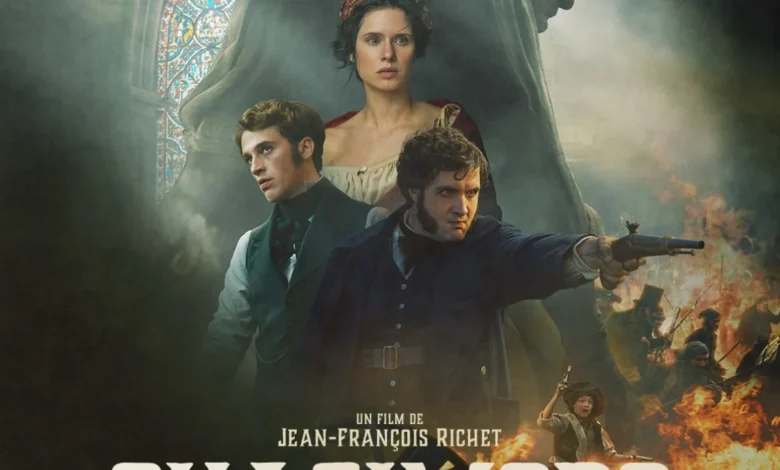
Victor Hugo’s timeless 1831 masterpiece, Notre-Dame de Paris, is once again crossing over into cinematic history, though this iteration discards any nostalgic or animated conventions in favor of a gritty, historically grounded political thriller. Formerly developed under the working title Quasimodo, l’âme de Paris, and briefly known as Quasimodo, the Soul of Paris, the newly retitled French epic The Hunchback, Soul of Paris is preparing for a worldwide release on Netflix. Streaming giant Netflix has confirmed that the feature-length film will launch globally on November 27, 2026, positioning the project as one of the platform’s most significant international releases of the fourth quarter, second in anticipated viewership only to the return of the streaming service’s flagship French series, Lupin.
Directed by acclaimed French filmmaker Jean-François Richet and headlined by international cinematic heavyweight Vincent Cassel, the production has garnered substantial media attention since initial casting reports surfaced in mid-2025. Following an exclusive first-look reveal by Vanity Fair France, comprehensive details regarding the narrative framework, production scale, and thematic ambitions of the €30 million project have come to light, establishing a clear picture of what audiences can expect from this unconventional adaptation.
Narrative Premise and Historical Context
Set against the volatile backdrop of Paris in 1830, The Hunchback, Soul of Paris abandons the traditional 15th-century timeline established in Hugo’s original novel, relocating the narrative to the eve of the historic July Revolution—a pivotal moment that saw the overthrow of King Charles X and the establishment of the July Monarchy. The official logline provided by production banner Radar Films outlines a high-stakes survival narrative:
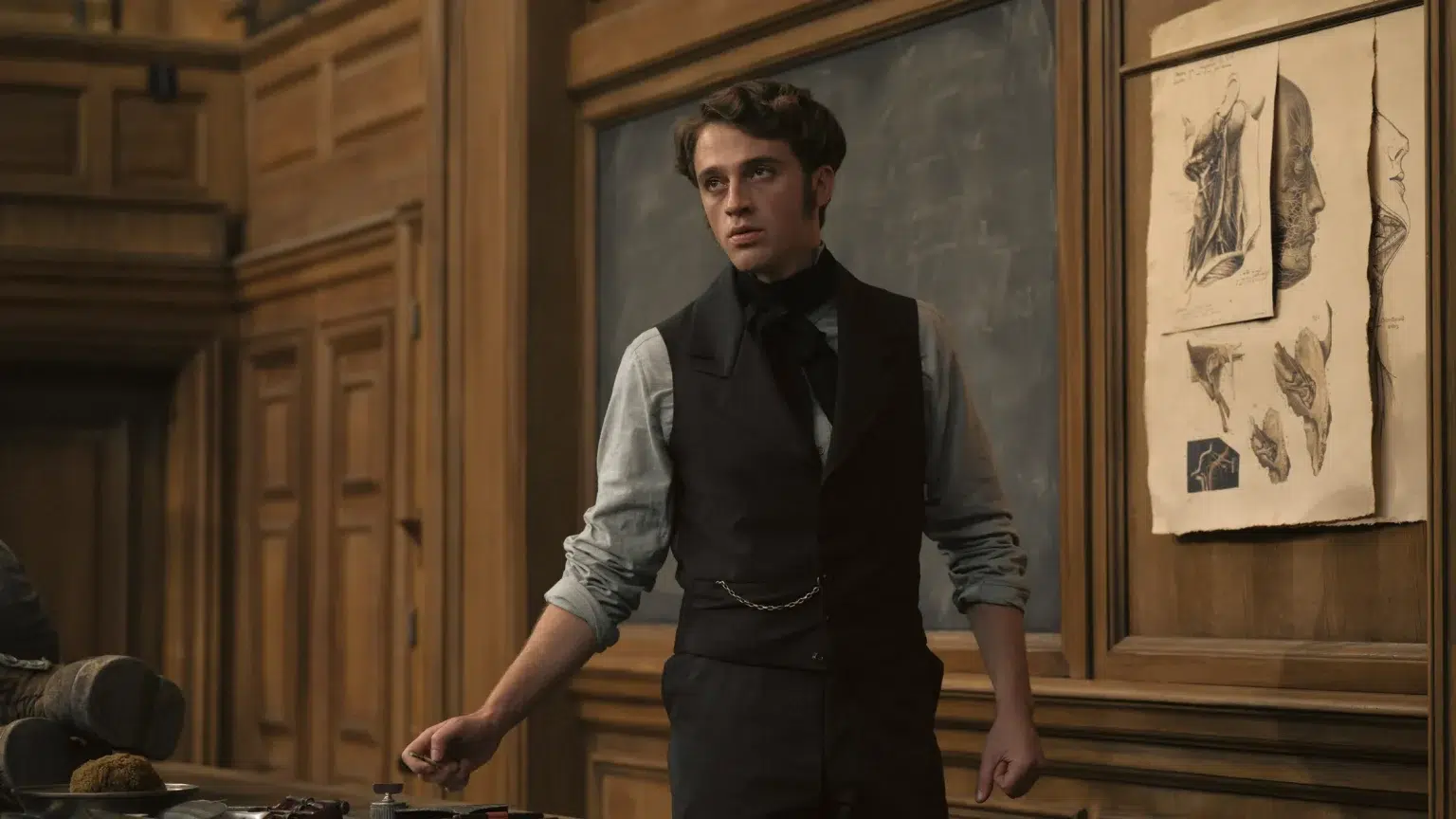
Paris, 1830. As cholera threatens to ravage the city, a hunchback who is carving stones and thought to be a monster might be the cure and starts being targeted by the police. Ready to do everything to protect Agnès, a dancer he is in love with, the hunchback finds itself at the heart of revolutionary uprising.
Rather than relying purely on supernatural or romantic tropes, director Jean-François Richet grounded the narrative in historical theory. Speaking with Vanity Fair France, Richet revealed that the script drew inspiration from the archival findings of British researcher Adrian Glew, who discovered references in the memoirs of government worker Henry Sibson suggesting that Victor Hugo may have based his fictional bell-ringer on a real-life, anonymous humpbacked stone carver who worked on the restoration of Notre-Dame during the 1820s.
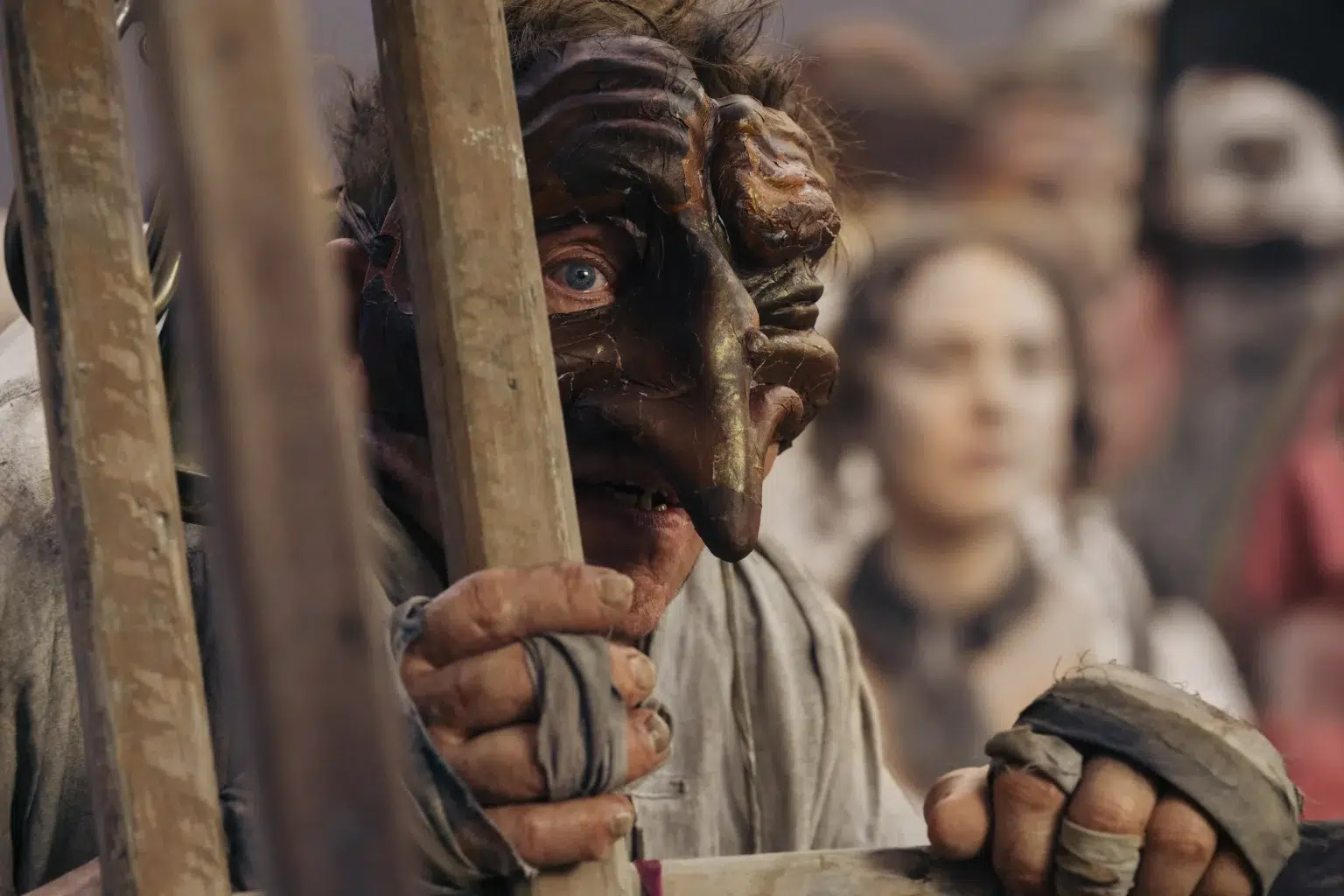
"We are starting from a credible premise rather than a true story," Richet explained during his production interviews. The inclusion of the cholera epidemic and subsequent medical exploitation serves as a driving catalyst for the plot. In the film, Quasimodo’s distinct physiological condition renders him immune to the devastating bacterial infection sweeping through the slums of Paris. This immunity makes him an invaluable asset—and a captive target—for the Director of Security and state-backed physicians seeking to harvest biological data to engineer a vaccine, reflecting the harsh medical ethics and class warfare of 19th-century Europe.
Production Chronology and Development Timeline
The journey of The Hunchback, Soul of Paris from concept to screen spans more than a year of strategic development, casting announcements, and major marketing rollouts:
- June 2025: Industry reports first confirm that prominent French actor Vincent Cassel is attached to headline a high-budget French-language feature centered on the Quasimodo mythos, operating under the working title Quasimodo, l’âme de Paris.
- Late 2025 to Early 2026: Production commences across France under the stewardship of Radar Films producers Clément Miserez and Matthieu Warter, supported by a substantial €30 million production budget supplied by Netflix.
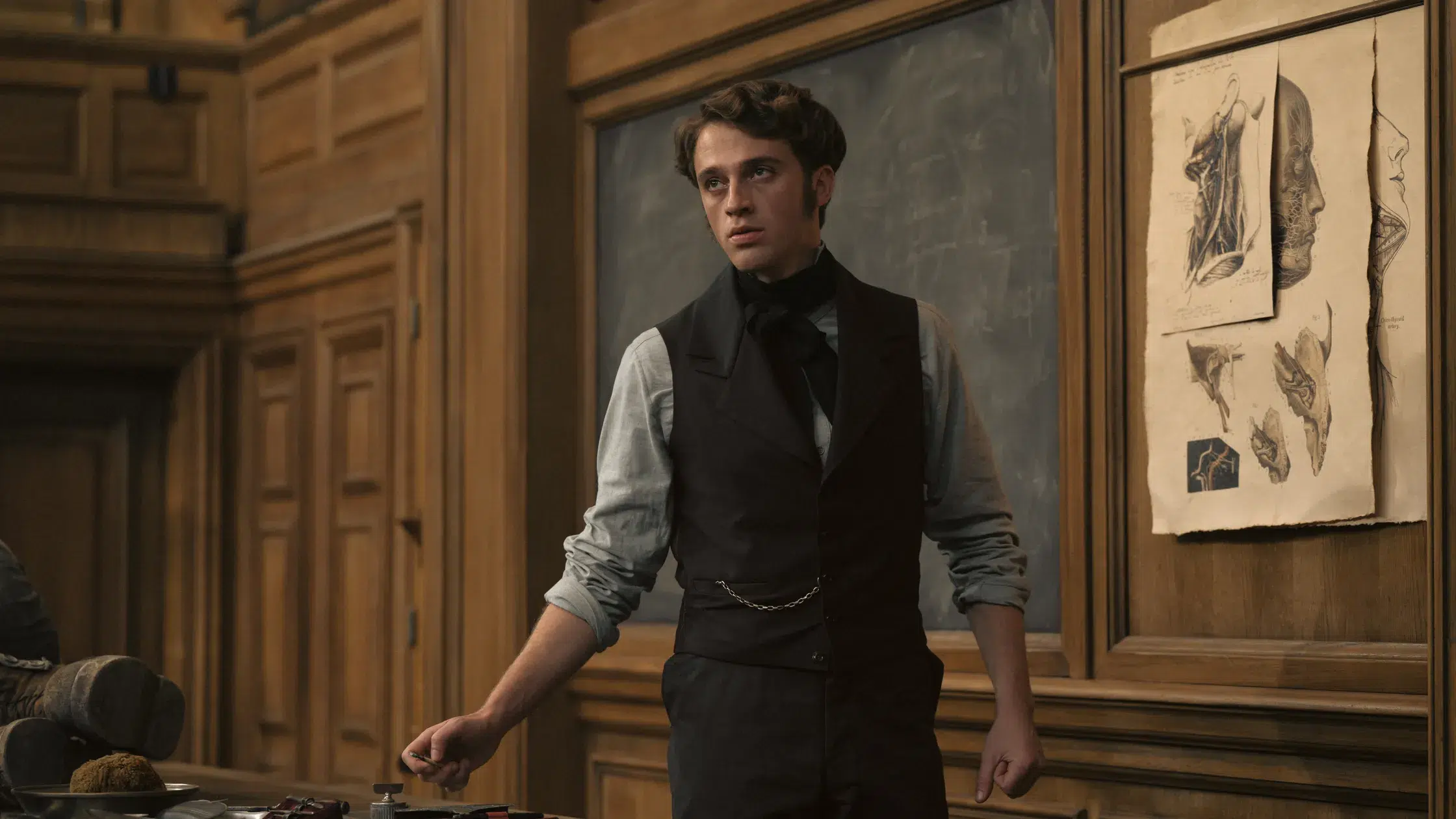
- September 2026: Vanity Fair France drops a major exclusive package, unveiling the first official batch of production stills, character looks, and an updated English-language The Hunchback, Soul of Paris.
- November 2026: Netflix releases the official teaser trailer and promotional key art just weeks ahead of the film’s scheduled November 27 global premiere, confirming a definitive runtime of 1 hour and 43 minutes.
Creative Forces and Cast Lineup
The production brings together some of the most prominent creative talents working within contemporary French cinema. Director Jean-François Richet is no stranger to large-scale action narratives and gritty historical dramas. His previous directorial credits include the critically lauded two-part biographical crime epic Mesrine (2008), The Emperor of Paris (2018), starring Cassel, as well as international Hollywood action thrillers such as Blood Father (2016) and Plane (2023). Richet’s extensive experience balancing intimate character studies with high-octane kinetic action makes him uniquely suited for a chase-centric historical thriller.
The screenplay was co-written by Éric Besnard, known for his work on historical and dramatic scripts including Jean Valjean, alongside co-writer Edgar Marie. Production duties are handled by Clément Miserez and Matthieu Warter of Radar Films, ensuring that the visual scope meets the high financial investment provided by Netflix’s international content division.
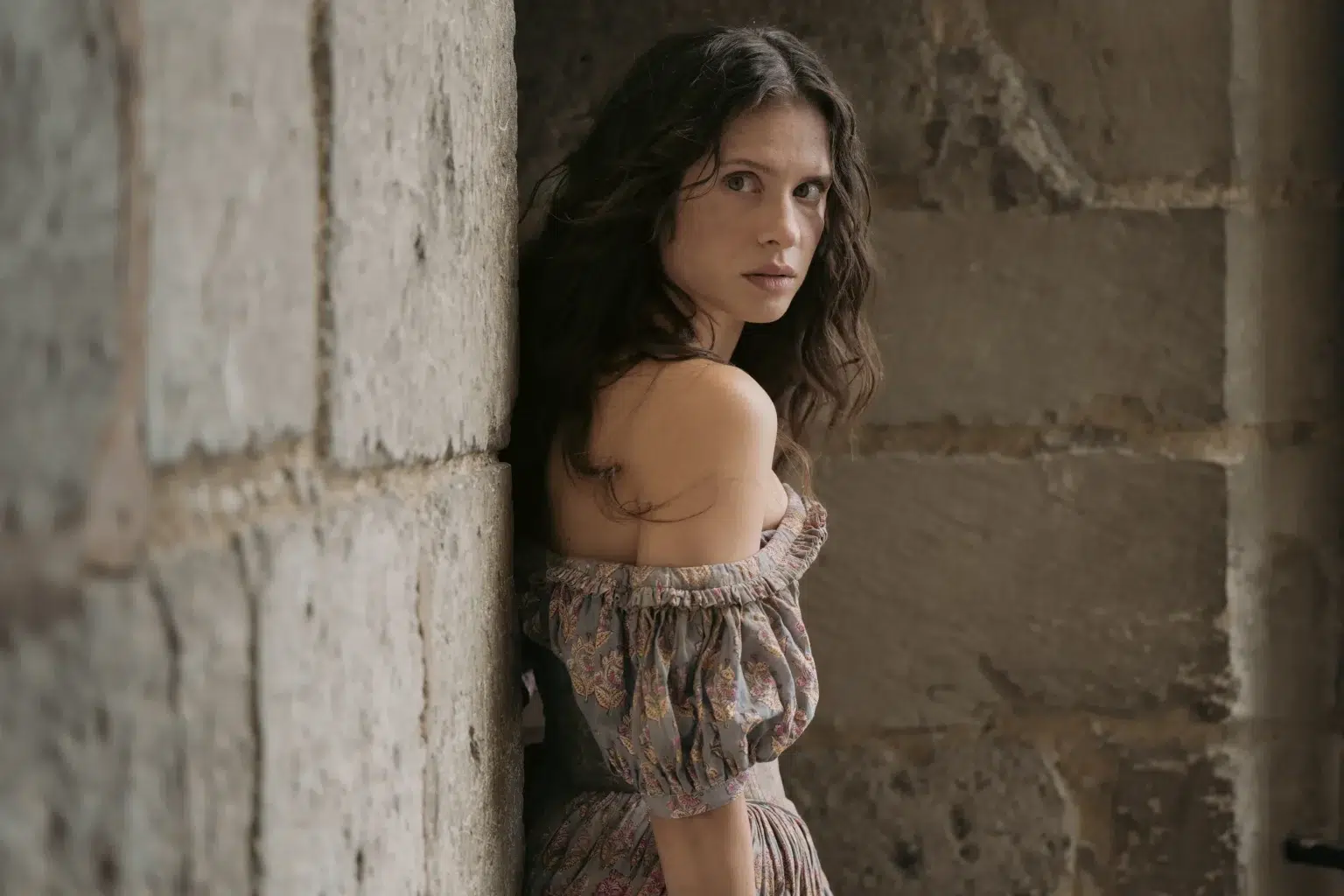
At the center of the film’s ensemble is Vincent Cassel, whose physical transformation into the iconic stone carver has been highlighted as a major technical and artistic achievement of the production. Cassel, internationally recognized for landmark performances in La Haine, Black Swan, and Ocean’s Twelve, delivers a largely physical and intense portrayal that deviates sharply from previous cinematic interpretations of the character. He is joined by an elite supporting cast of established French dramatic actors, portraying the corrupt officials, revolutionary figures, and medical figures driving the narrative conflict.
Analysis of Broader Implications for International Streaming
The release of The Hunchback, Soul of Paris reflects a broader strategic shift within major subscription video-on-demand (SVOD) platforms like Netflix, which continue to invest heavily in premium, localized European content designed for simultaneous worldwide consumption. By utilizing universally recognized literary intellectual property—such as Victor Hugo’s canon—while subverting audience expectations through gritty historical revisionism, Netflix aims to capture both traditional prestige cinema audiences and action-thriller demographics.
Furthermore, the film’s explicit thematic exploration of 19th-century class struggles, institutional corruption, medical ethics, and societal ostracization draws deliberate parallels to modern sociopolitical discourse. As Richet noted in promotional statements, the film uses its period setting to examine timeless anxieties regarding the exploitation of marginalized bodies by institutional authorities.
With a tightly paced 103-minute runtime, the film avoids the bloated pacing often associated with contemporary streaming blockbusters, opting instead for a lean, high-velocity narrative structure built around pursuit, survival, and revolution. As anticipation builds ahead of its November 27, 2026 release, The Hunchback, Soul of Paris stands as a litmus test for how classic European literature can be successfully modernized for a fragmented, global digital audience without sacrificing historical depth or artistic integrity.